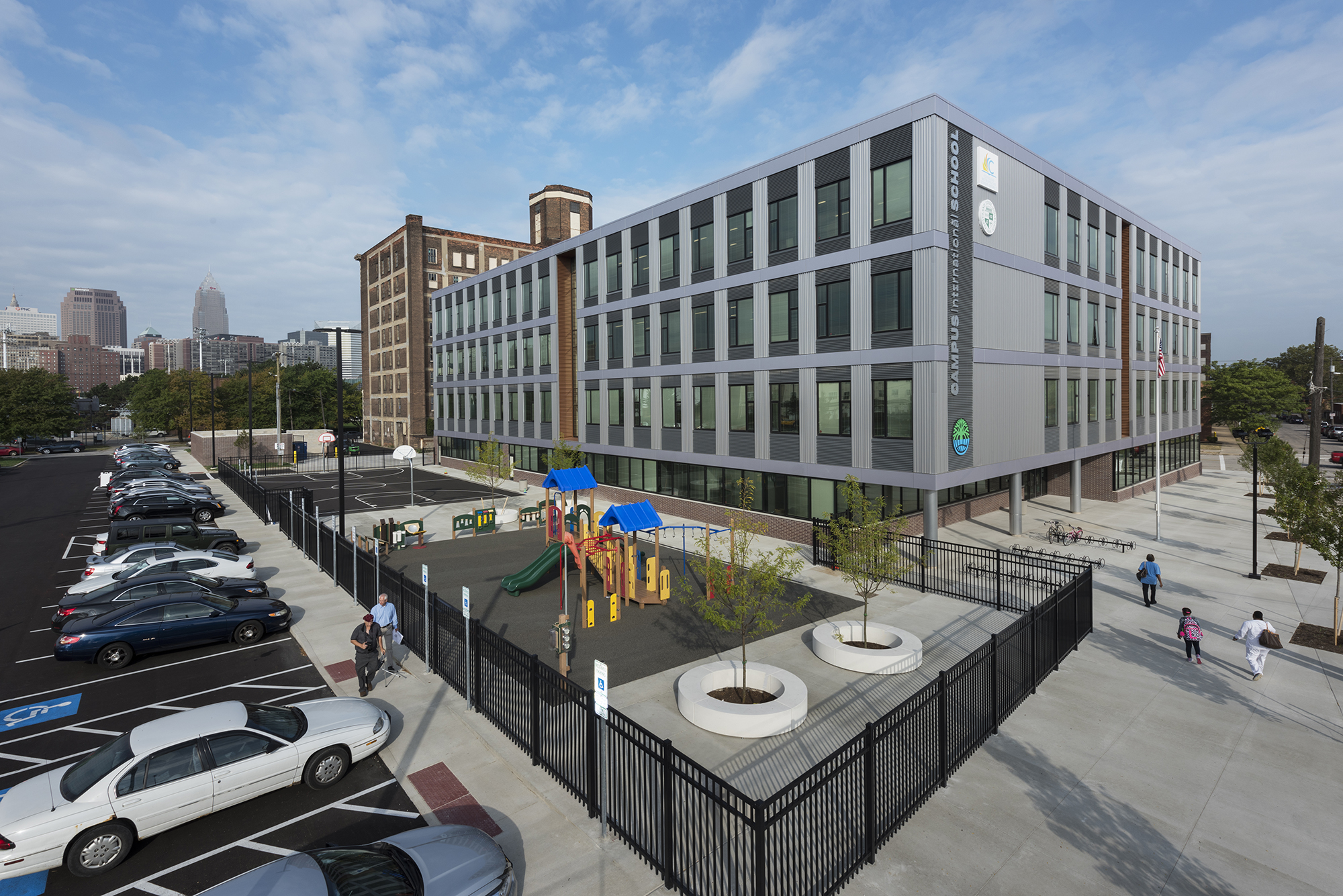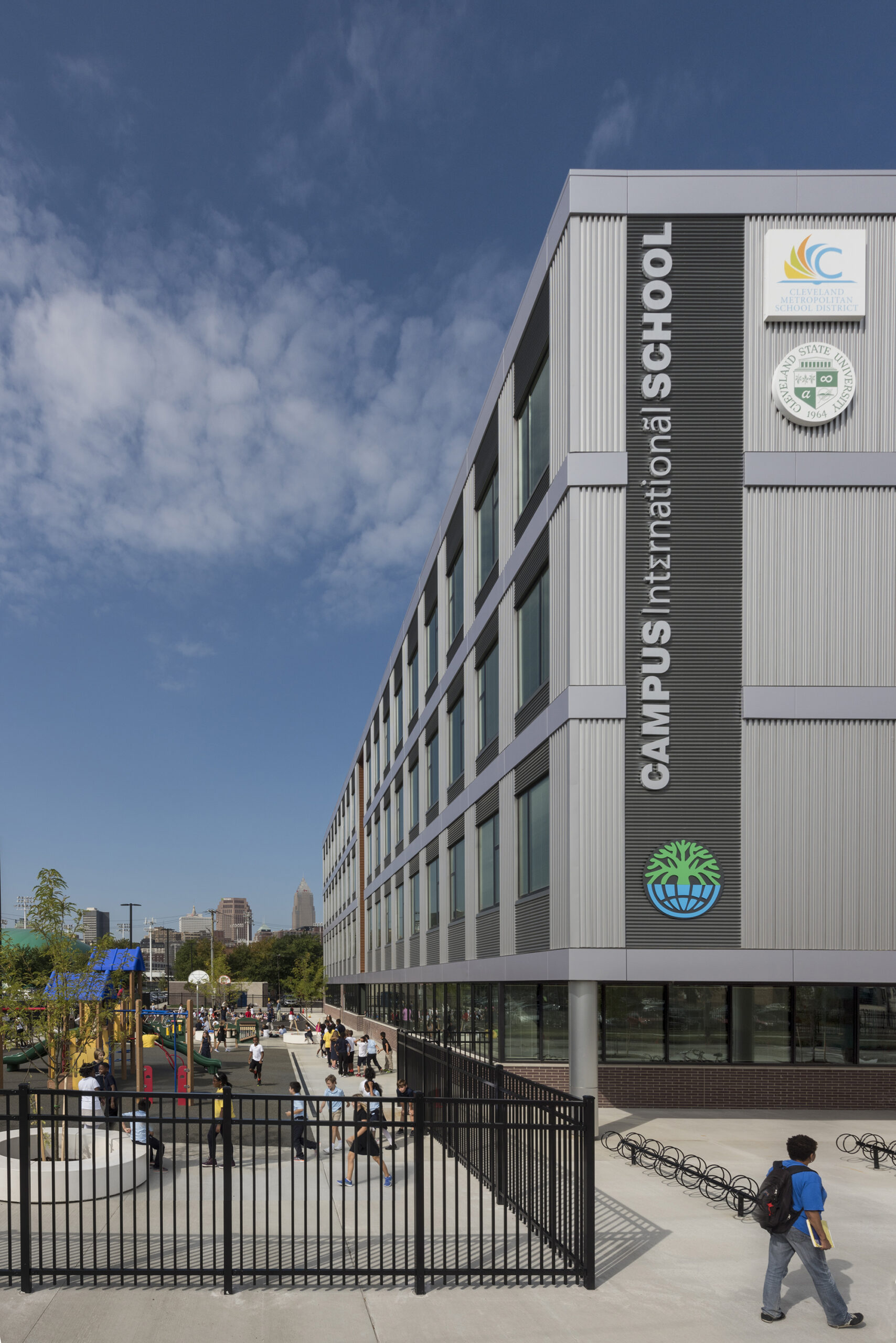
Campus International School is situated on an extremely tight, 1.75-acre urban site on the campus of Cleveland State University. The space is designed to facilitate collaboration between the two schools and to support the rigorous International Baccalaureate curriculum.
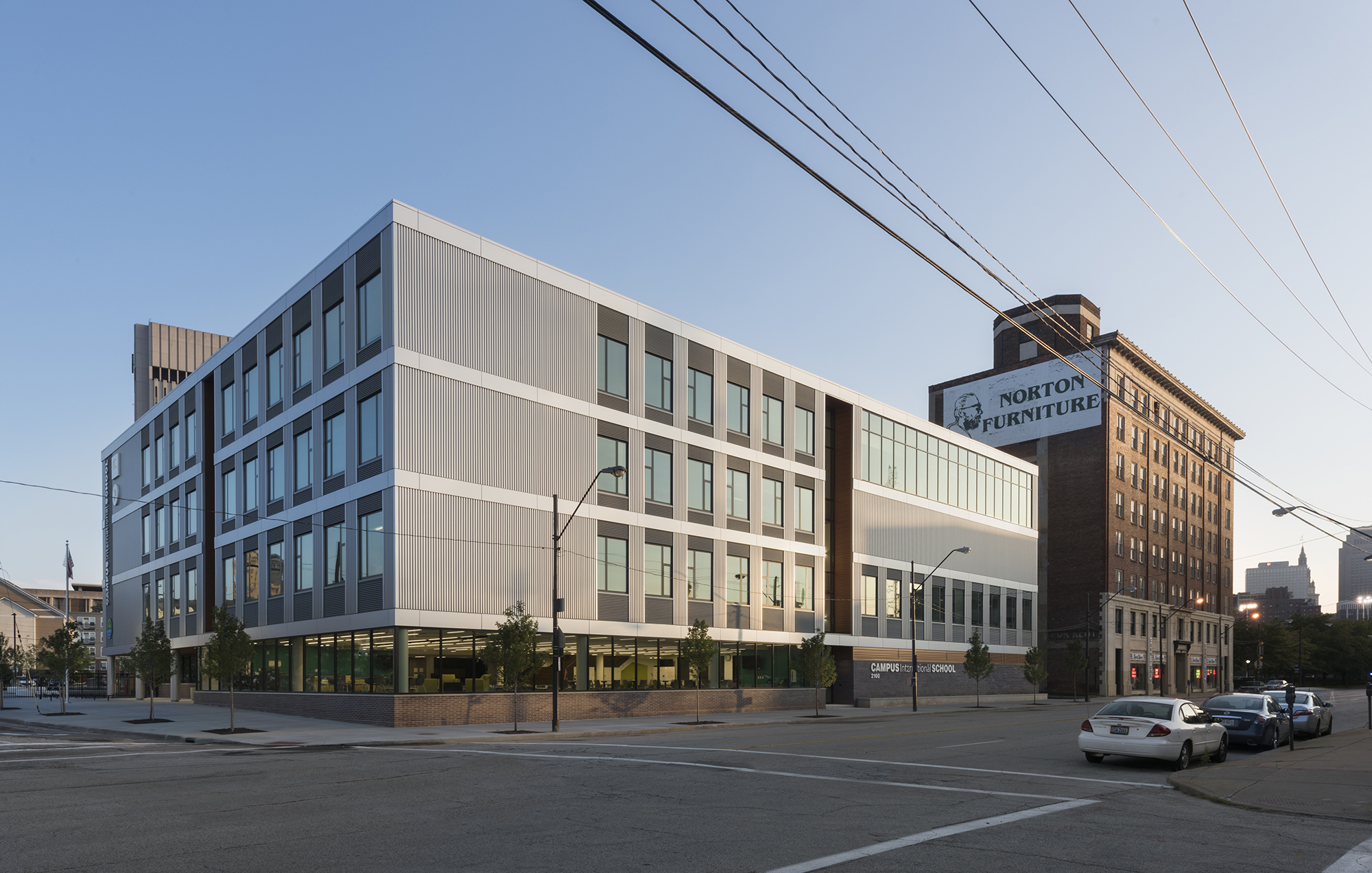
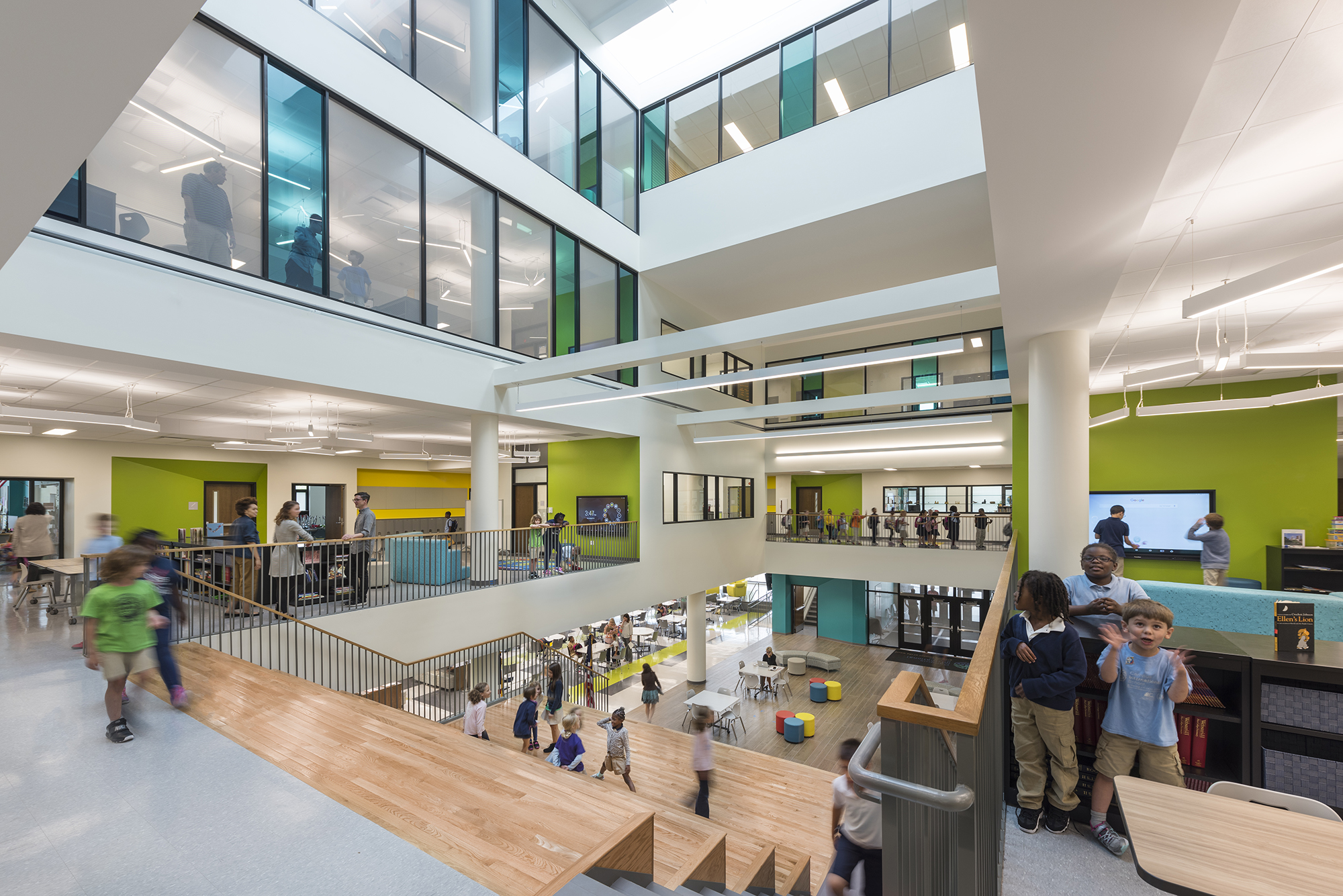
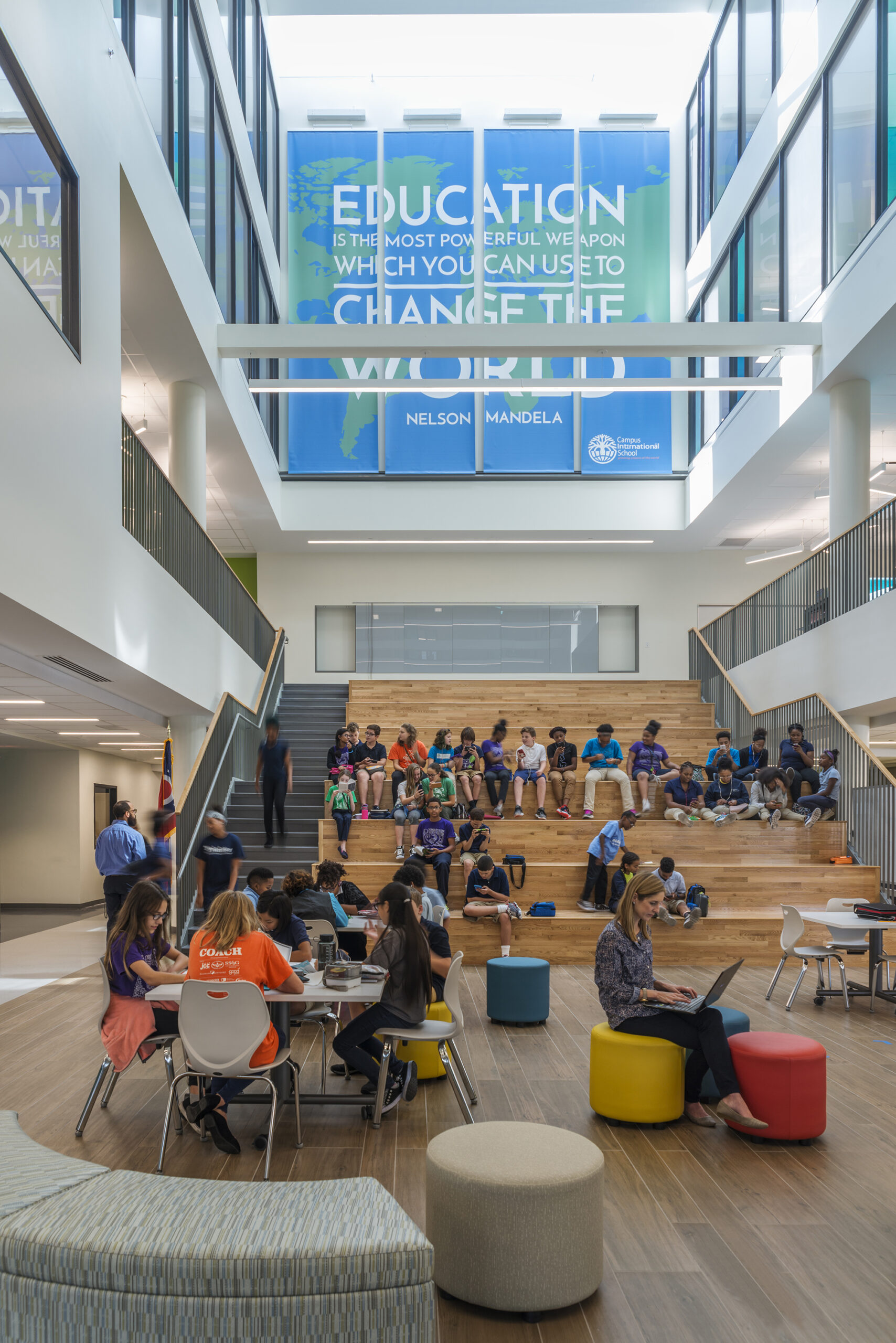
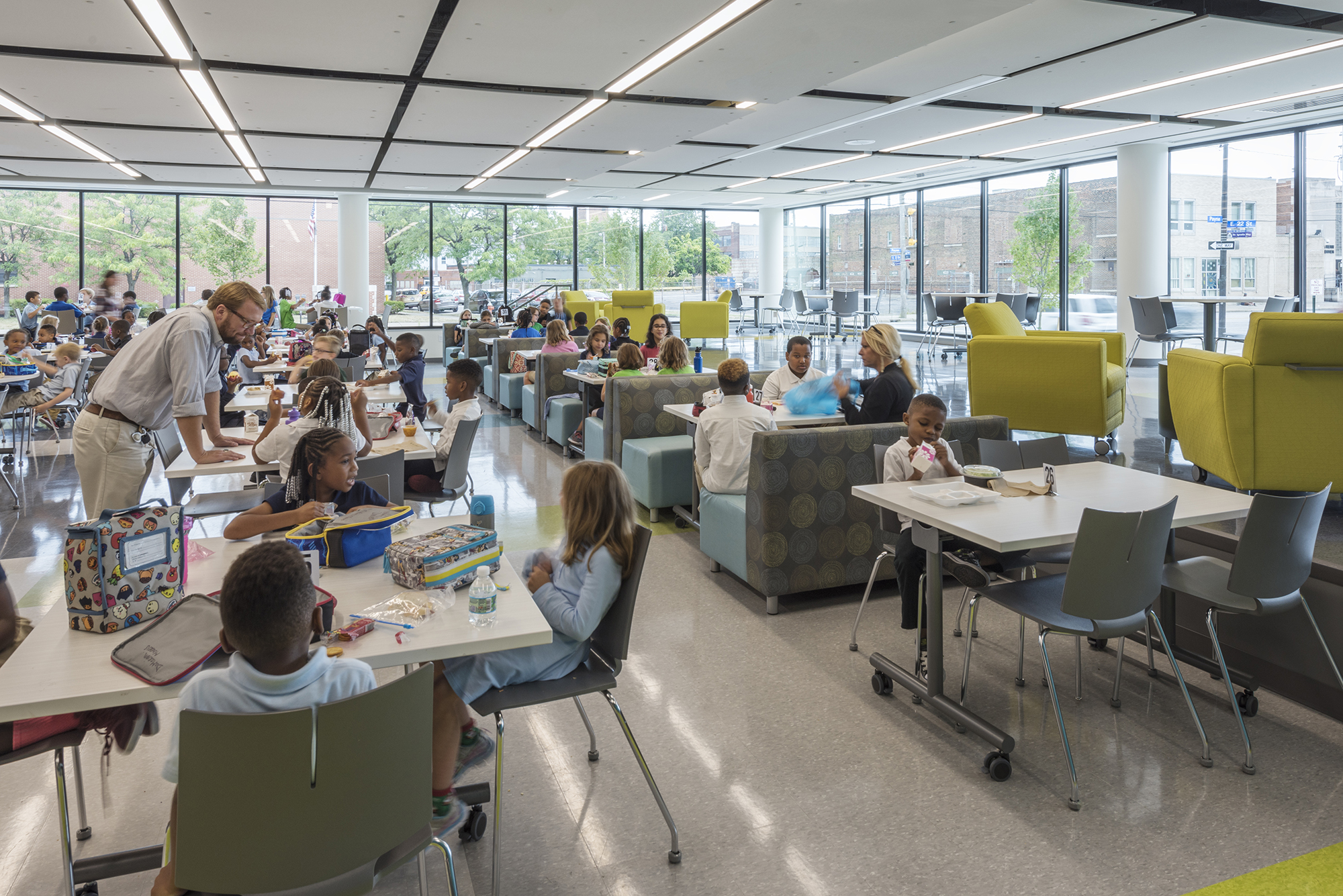
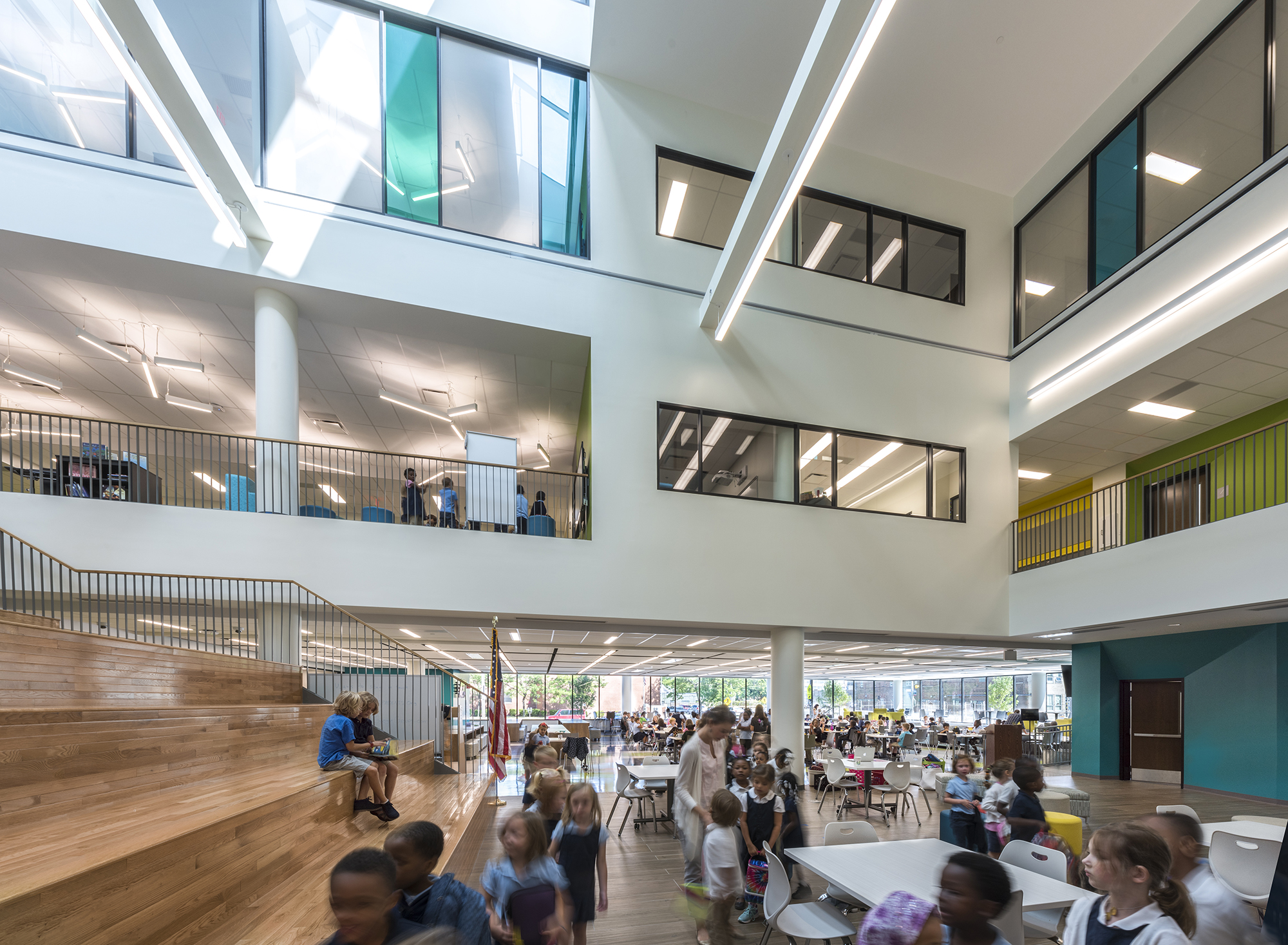
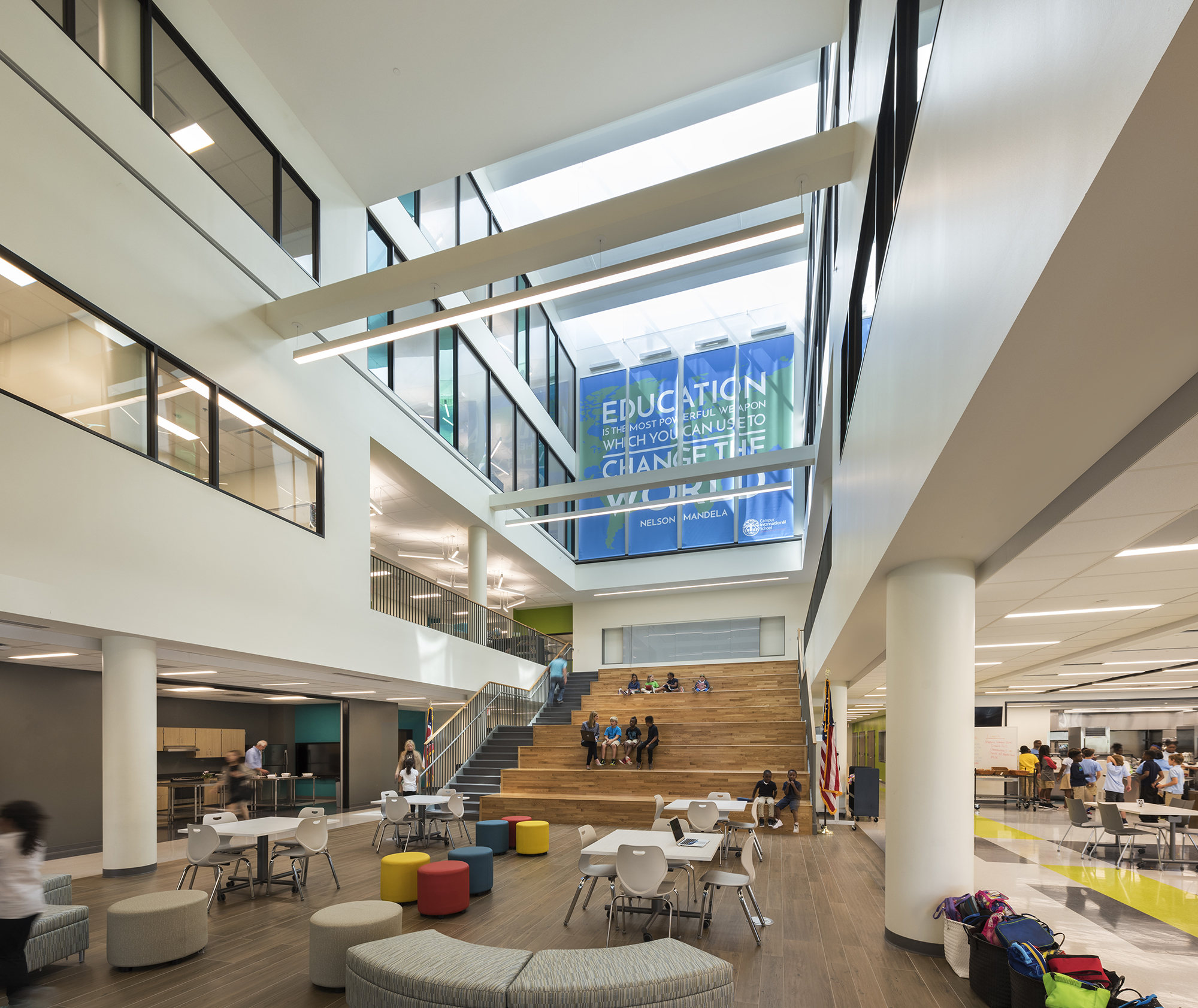
Collaborative learning areas are clustered on each level around a four-story, naturally lighted atrium that features a large, tiered-seating stair connecting the first and second floors. Weekly gatherings of the K-8 student body are essential to the academic program, and the atrium and adjacent cafeteria are used for this. The building’s exterior is primarily a modular metal panel system, with some brick and curtain walls in specialty areas.
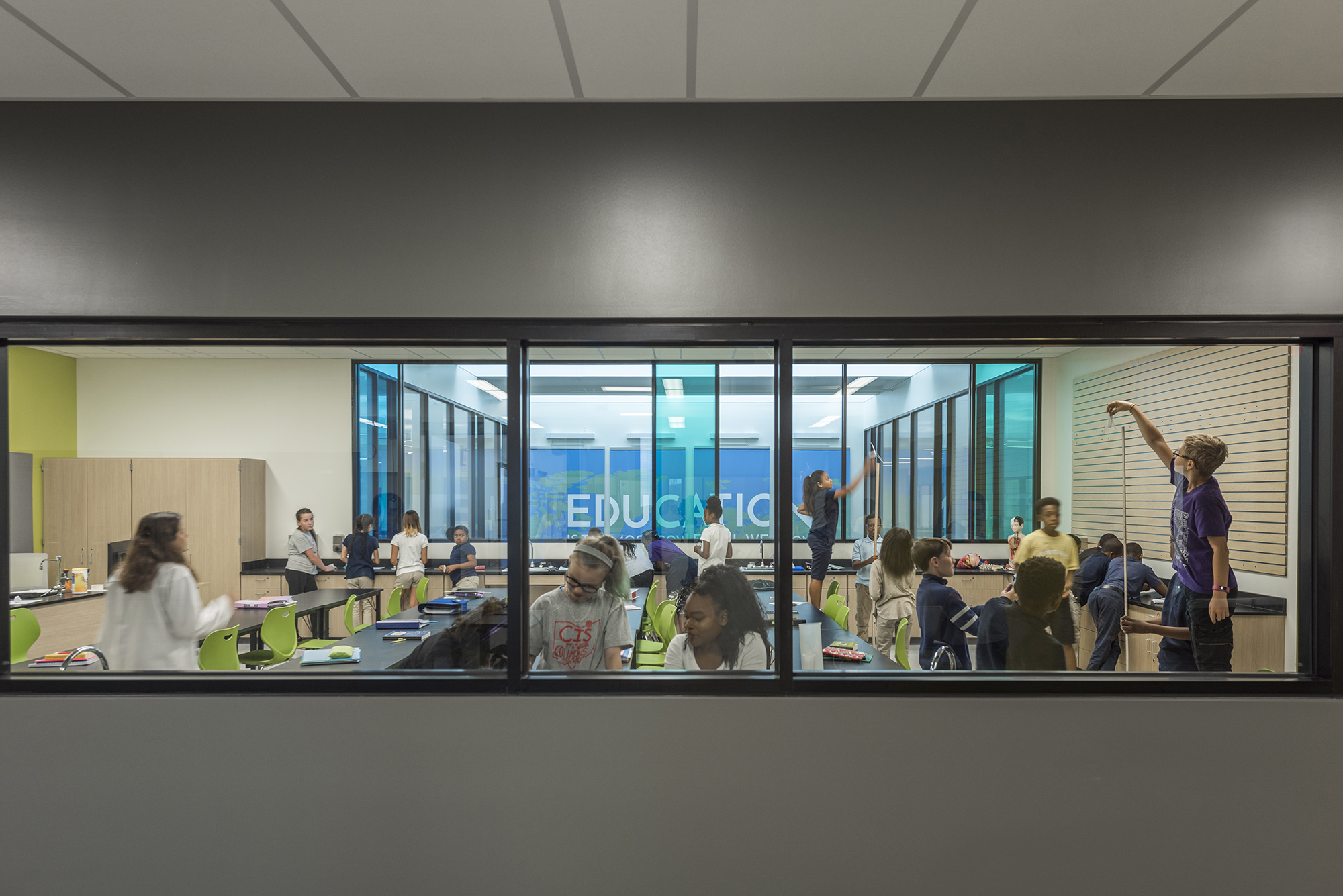
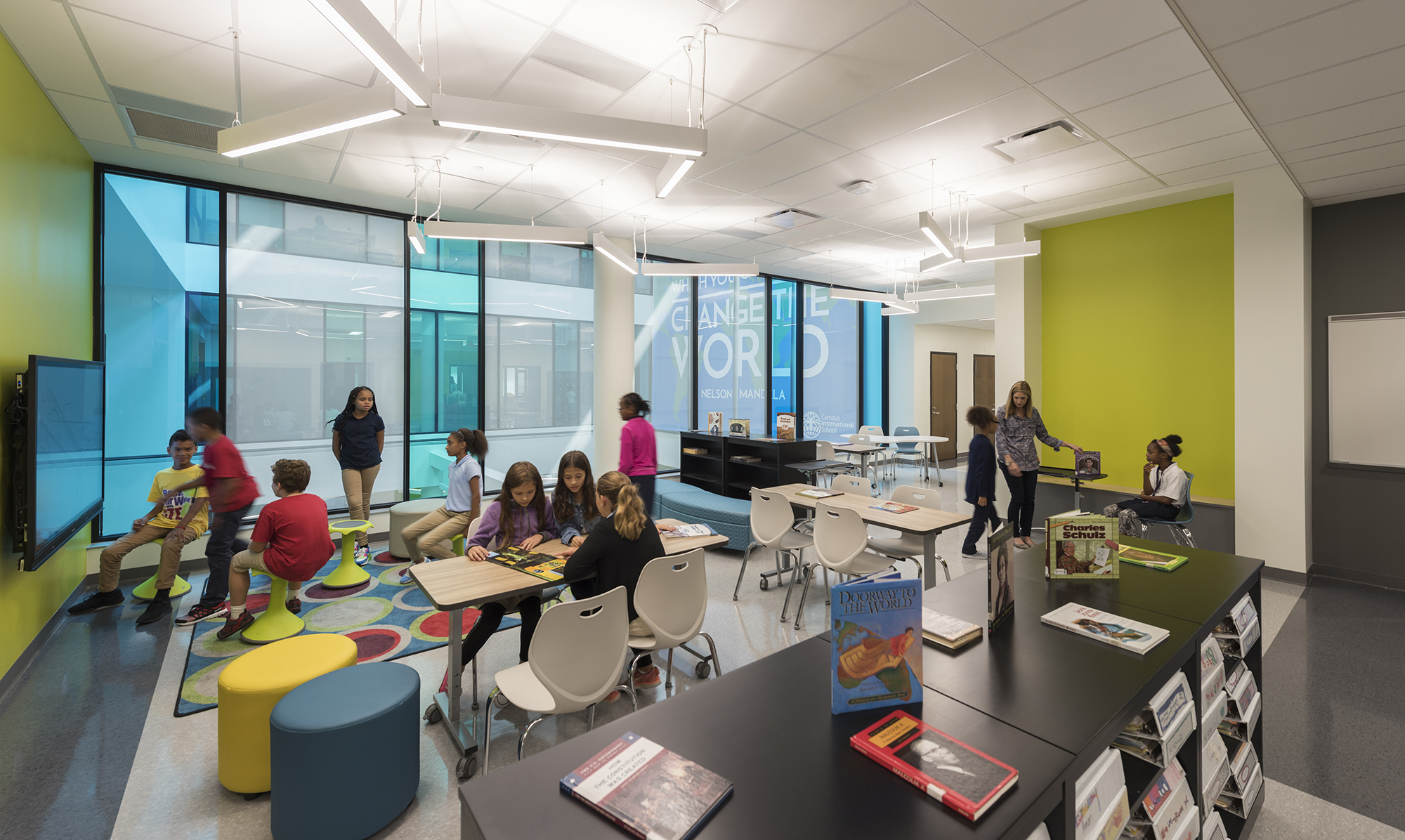
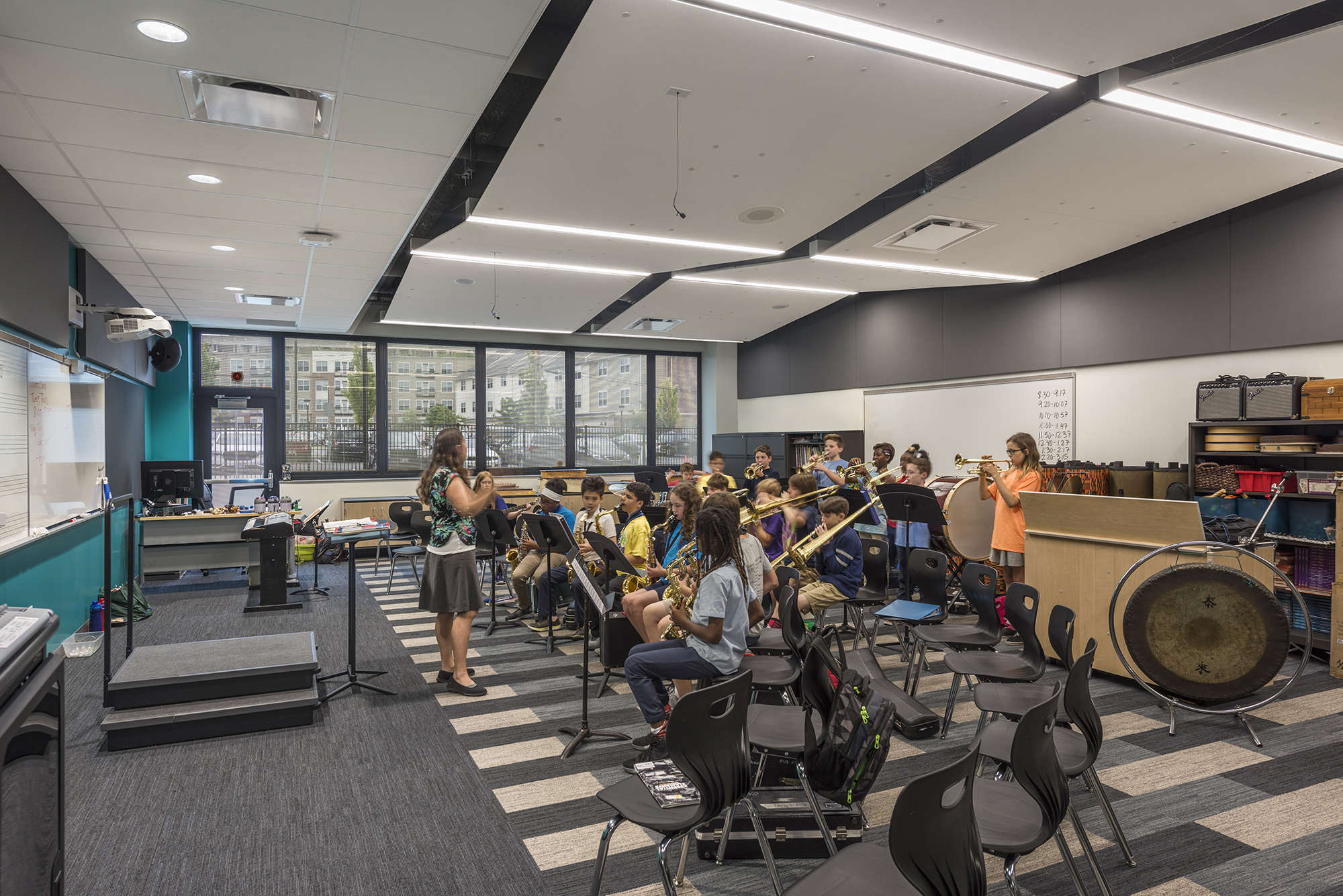
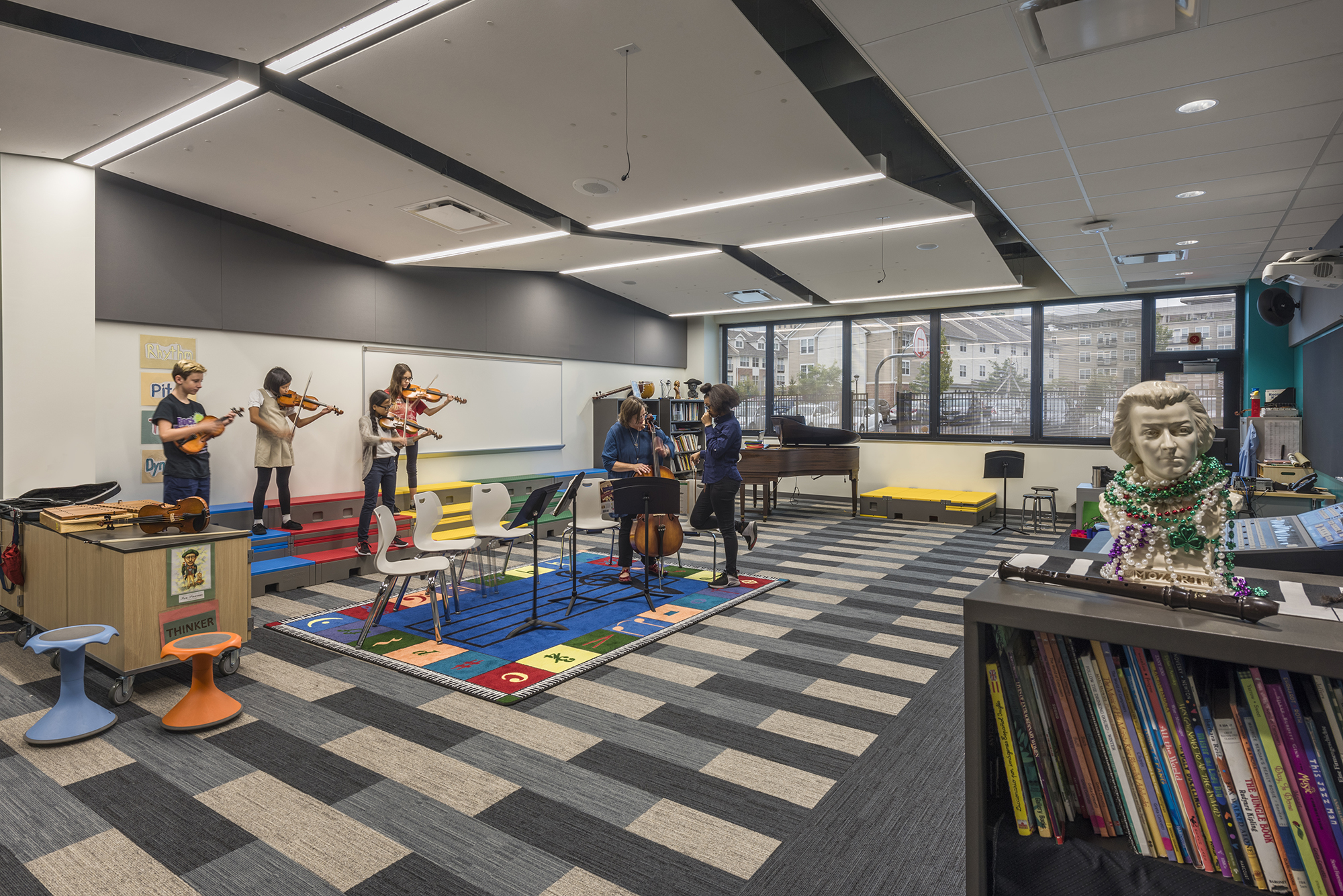
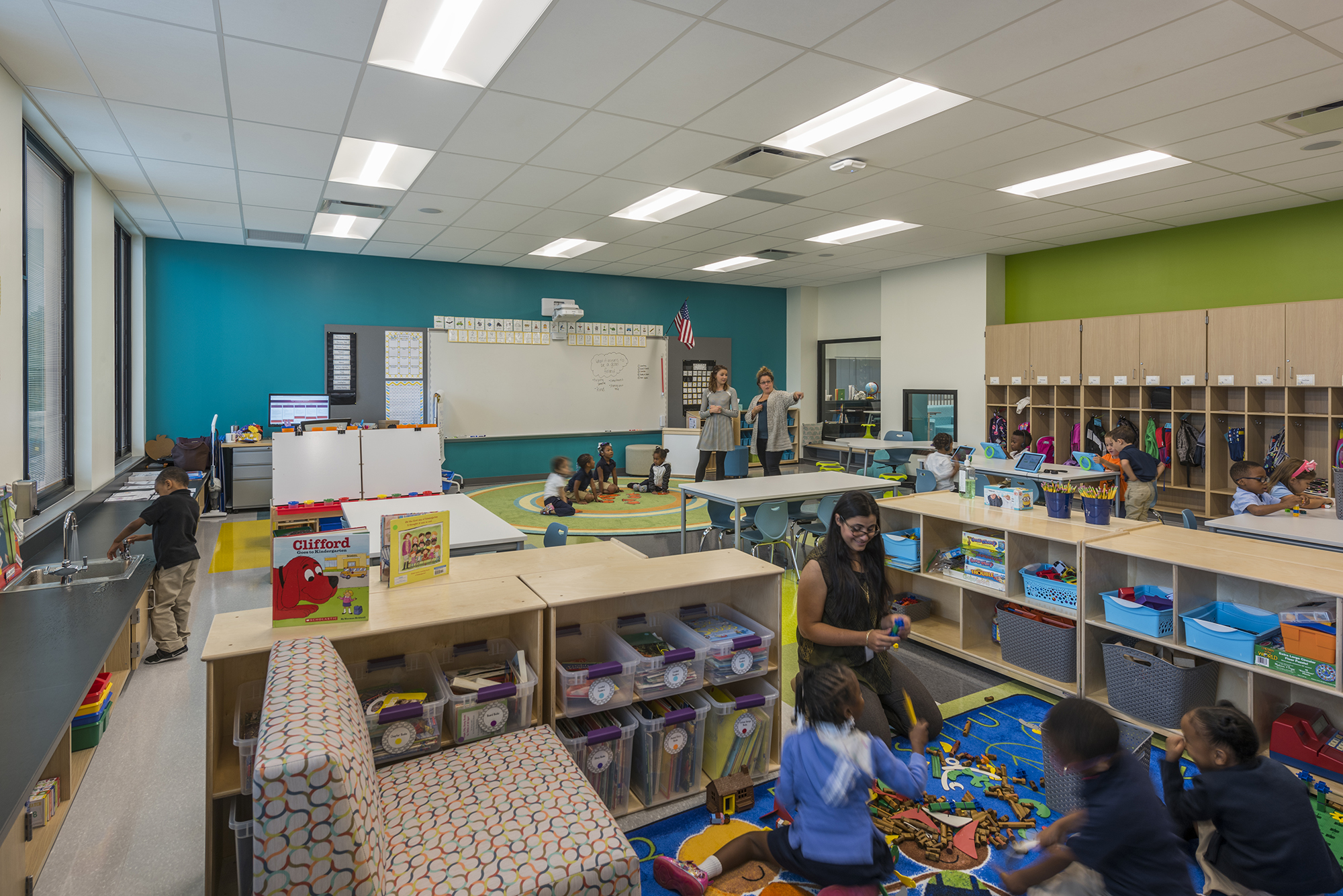
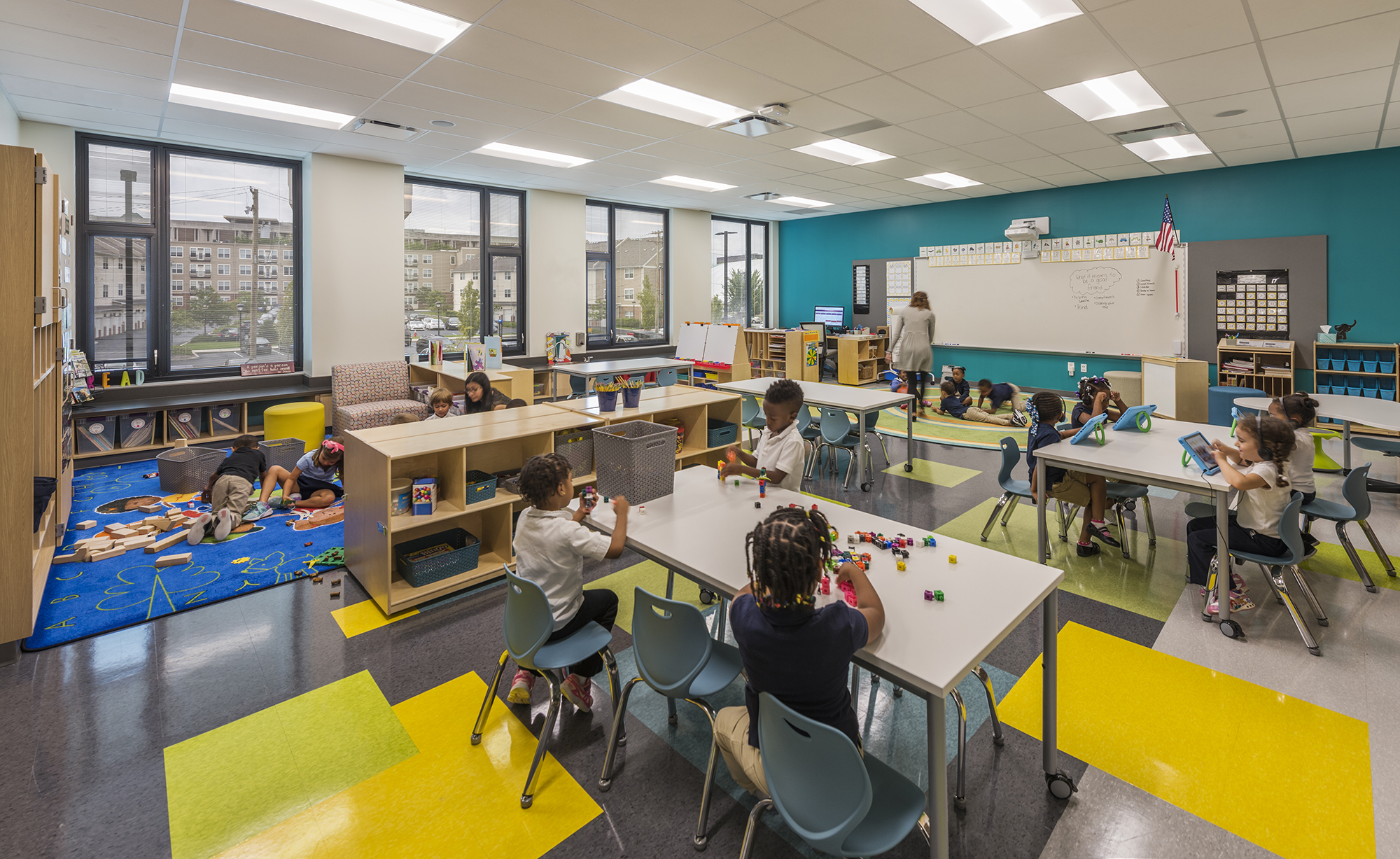
Students have access to a variety of flexible student-centered learning spaces. Collaborative project areas outside each classroom visually connect all four levels and add to the school’s bright, energizing atmosphere. Small group areas and distributed administration space on each classroom level enable flexible group sizes to work together in various settings. Flexible, technology-ready areas are distributed throughout the building and contain a variety of books and other resources to give students ease of access so they can self-direct or seek support as needed.
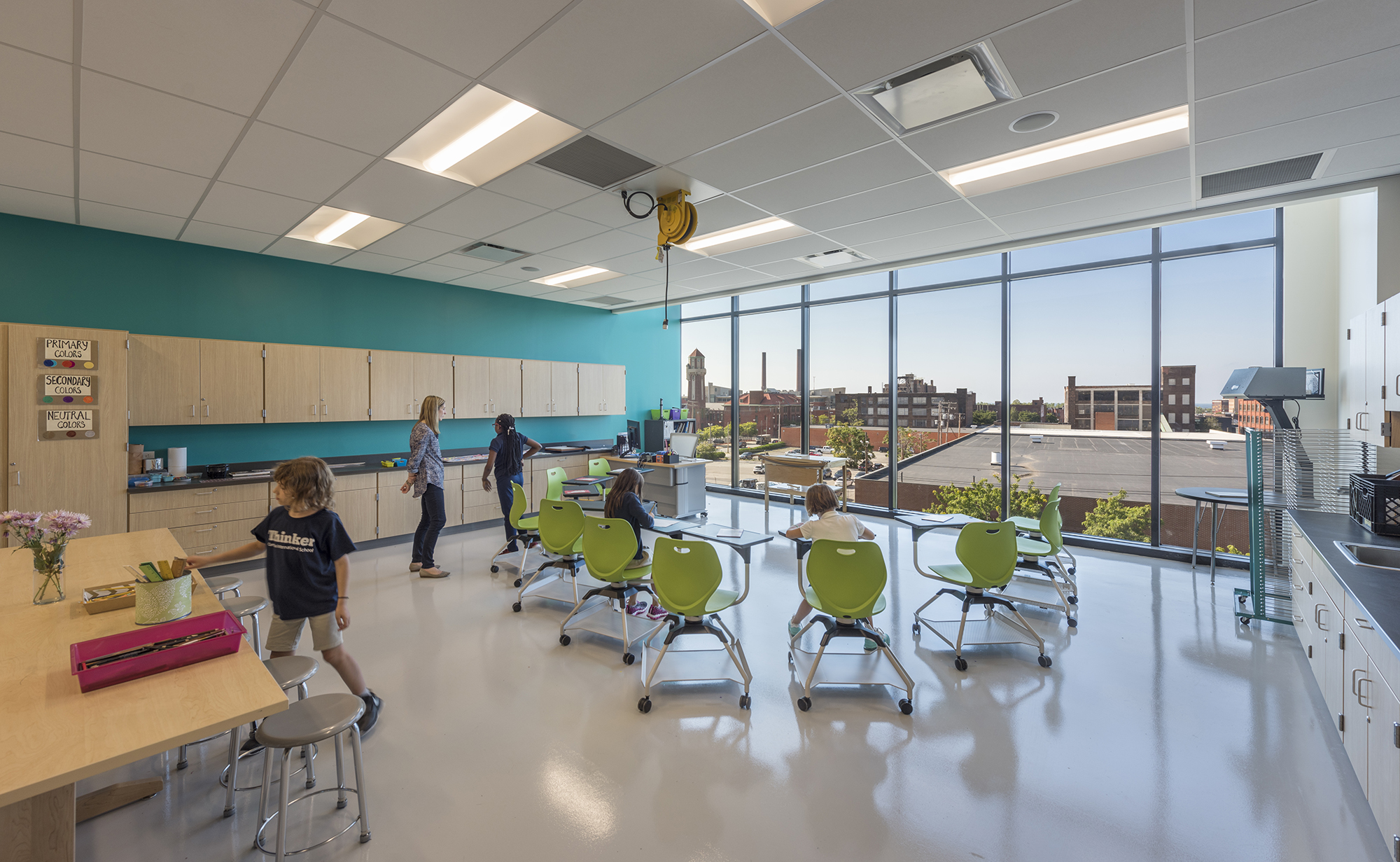
The abundant open spaces and natural light encourage daily movement and improve student wellness and focus. Large windows that brighten the interior enhance sustainability goals by capturing and maximizing daylight and significantly decreasing energy use.
Integrated on Cleveland State University’s campus, it follows the International Baccalaureate program model.
A four-story school designed on a 1.75-acre site that was once a parking lot.
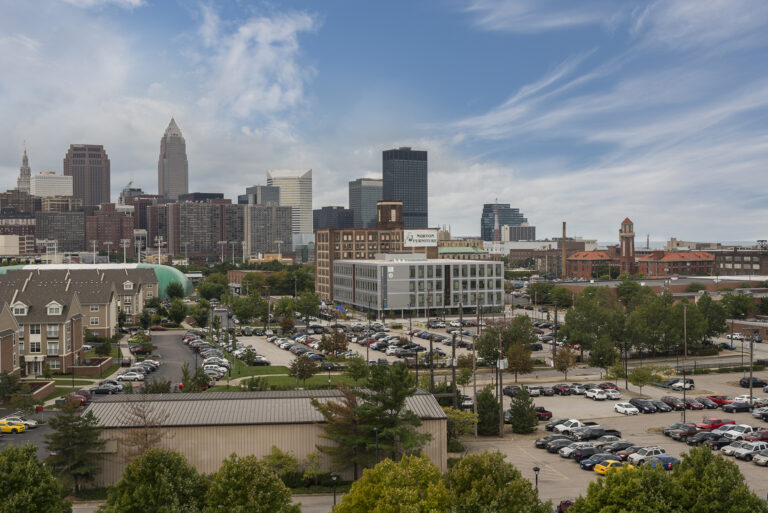
Campus International School (CIS) sits on Cleveland State University’s (CSU) campus to share resources and to inspire students to continue their education.
As the IB curriculum encourages students to become lifelong learners, students, teachers, and administrators at CIS can utilize resources at CSU, while college students enrolled in the college’s education department can work directly with teachers and students at the primary school.
When planning the new CIS primary school, administration, teachers, and students signaled that connection, community, and cross-discipline collaboration are essential elements of the curriculum and should be embedded into the school’s architecture.
Glass windows from the first floor to the fourth offer visibility throughout the school and the college campus. The idea of everybody seeing everybody, including the visibility between classrooms and down into the first-floor atrium, and everybody’s connection was the most important design element in the building.
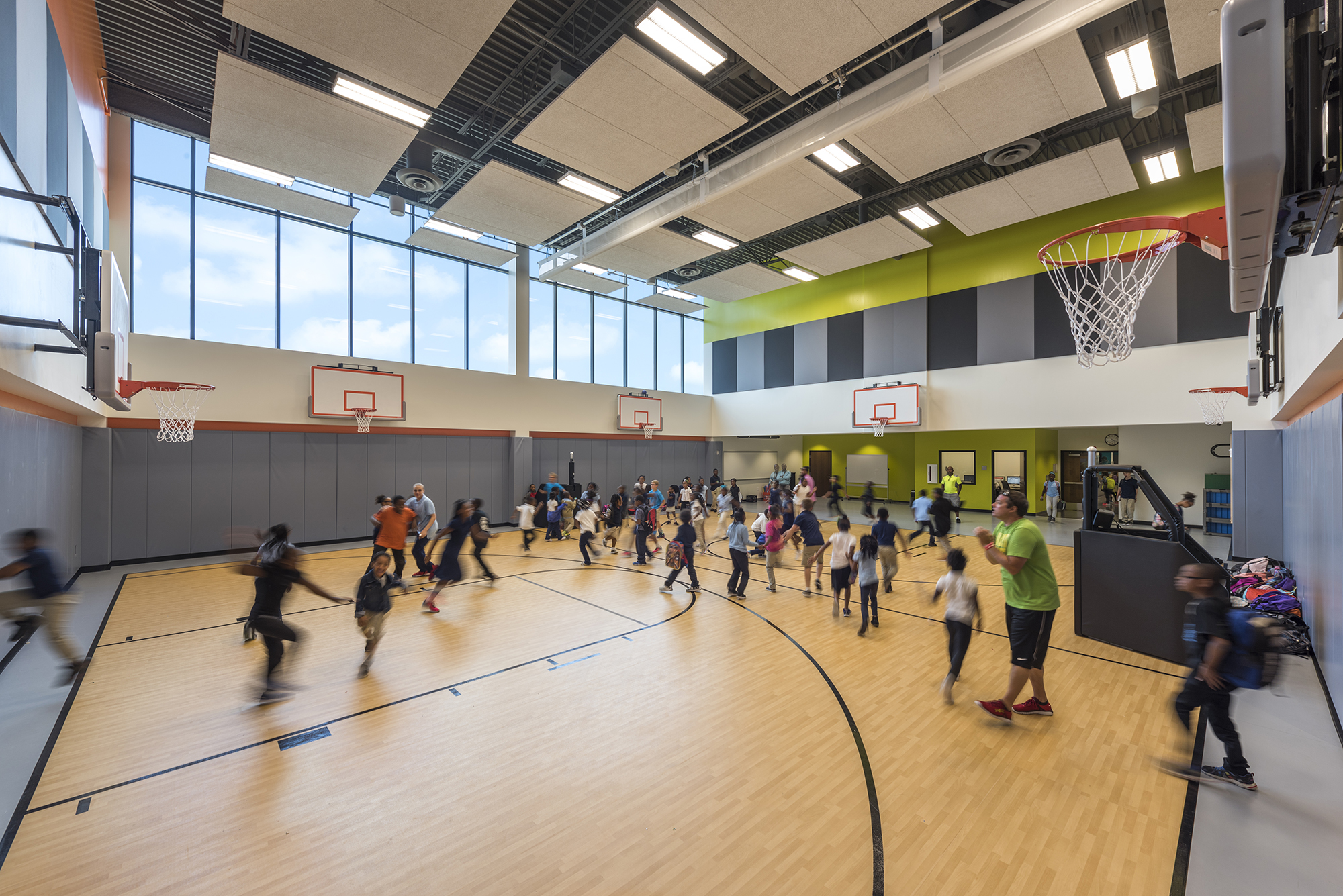
Because the school sits on a tight site, it was necessary to organize spaces uniquely. A four-story building for grades K-8, CIS’s sound-insulated gymnasium sits on the third floor, and the school does not have a media center, instead offering books, technology, and makerspaces in the open corridors between classrooms to encourage collaboration.
Laboris esse officia aliquip est nisi consectetur sint laborum ullamco labore nisi officia labore ipsum. Non cillum consectetur quis id elit ex nostrud. Ullamco amet veniam dolor eu sint cupidatat exercitation tempor est anim veniam eu. In amet anim pariatur magna culpa nulla do sint aute aute duis dolore minim labore.

Role at Organization
Laboris esse officia aliquip est nisi consectetur sint laborum ullamco labore nisi officia labore ipsum. Non cillum consectetur quis id elit ex nostrud. Ullamco amet veniam dolor eu sint cupidatat exercitation tempor est anim veniam eu. In amet anim pariatur magna culpa nulla do sint aute aute duis dolore minim labore.